

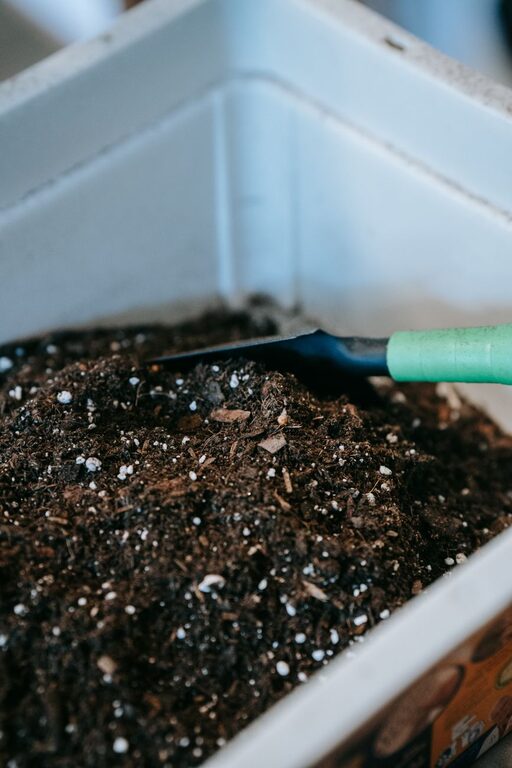
Composting at home is a rewarding way to reduce waste and create nutrient-rich soil for your garden. Whether you have a backyard or just a small balcony, composting can be adapted to fit your space and lifestyle. This guide offers beginner-friendly tips to help you start composting with confidence.
What Is Composting?
Composting is the natural process of breaking down organic materials like food scraps and yard waste into a rich, dark soil amendment called compost. This compost improves soil health, retains moisture, and provides nutrients to plants. Instead of sending food scraps to the landfill, composting turns waste into a valuable resource.
Why Compost at Home?
– Reduces waste: Composting cuts down on the amount of garbage sent to landfills.
– Enriches soil: Compost adds essential nutrients and improves soil structure.
– Saves money: You can reduce the need for chemical fertilizers and buy less soil conditioner.
– Helps the environment: Composting lowers greenhouse gas emissions from decomposing organic waste in landfills.
Getting Started: Choose Your Composting Method
There are several ways to compost at home depending on your available space and time:
1. Traditional Backyard Compost Bin
If you have a yard, a compost bin or pile is a great option. You can buy a ready-made bin or build one yourself using wood or wire mesh.
2. Tumbler Compost Bin
These bins are enclosed containers that can be rotated to mix the compost easily. Tumblers speed up the composting process and keep pests away.
3. Worm Composting (Vermicomposting)
Ideal for small spaces and apartments, vermicomposting uses worms to break down food scraps in a contained bin.
4. Bokashi Composting
This fermentation method uses a special mix to ferment food waste quickly. The result can be added to soil or compost piles for further breakdown.
Setting Up Your Compost Bin
No matter the method, here are some setup basics:
Location
Place your compost bin in a dry, shaded, and well-drained spot. It should be easily accessible year-round.
Container
Use a bin with good airflow or a pile that allows oxygen to reach the materials. Compost organisms need air to do their work.
What Can You Compost?
Compostable materials fall into two categories: greens and browns.
Greens (Nitrogen-rich)
– Fruit and vegetable scraps
– Coffee grounds and filters
– Tea bags (check materials)
– Fresh grass clippings
– Plant trimmings
Browns (Carbon-rich)
– Dry leaves
– Straw or hay
– Shredded newspaper or cardboard
– Sawdust (untreated wood)
– Pine needles
Avoid Composting
– Meat, dairy, and oily foods (can attract pests)
– Diseased plants
– Pet waste
– Invasive weeds or plants treated with pesticides
Tips for Successful Composting
Balance Greens and Browns
Aim for a ratio of about 3 parts browns to 1 part greens. This balance helps the compost break down efficiently without being too wet or smelly.
Chop or Shred Materials
Smaller pieces decompose faster. Chop large scraps before adding them to your compost.
Keep It Moist
Compost should be about as damp as a wrung-out sponge. Add water if it’s dry or add dry browns if it’s too wet.
Turn Your Pile Regularly
Aerate the compost by mixing or turning it every 1-2 weeks. This introduces oxygen and speeds decomposition.
Be Patient
Composting takes time. Depending on conditions, it can take a few months to a year to produce finished compost.
Using Finished Compost
Your compost is ready when it looks dark, crumbly, and smells earthy. Use it by:
– Mixing it into garden soil before planting
– Adding it to flower pots or raised beds
– Spreading it as mulch to conserve moisture
Troubleshooting Common Issues
– Bad odor: Usually from too much green material or lack of airflow. Add browns and turn the pile.
– Pests: Avoid meat and dairy. Use a closed bin or cover food scraps with browns.
– Slow decomposition: Make sure the pile is moist, balanced, and turned regularly.
Final Thoughts
Starting a composting routine at home is easier than you might think. By understanding the basics and keeping a few simple tips in mind, you can reduce waste and grow healthier plants. Composting is a small step toward living more sustainably and enjoying the rewards of a thriving garden.
Happy composting!